The Ultimate Welder’s Safety Manual: Essential Practices to Protect Your Health and Workplace
In the high-intensity world of metal fabrication, welding safety isn’t just recommended—it’s non-negotiable. From industrial manufacturing plants to home workshops, every welder must prioritize personal protection against hazards that can cause serious injury or long-term health issues.
This comprehensive guide provides expert-approved safety protocols specifically tailored for both novice and experienced welders. By understanding the full range of risks associated with welding processes and implementing preventive measures, you’ll be able to work confidently while maintaining your physical well-being.
Fundamental Protective Equipment Requirements
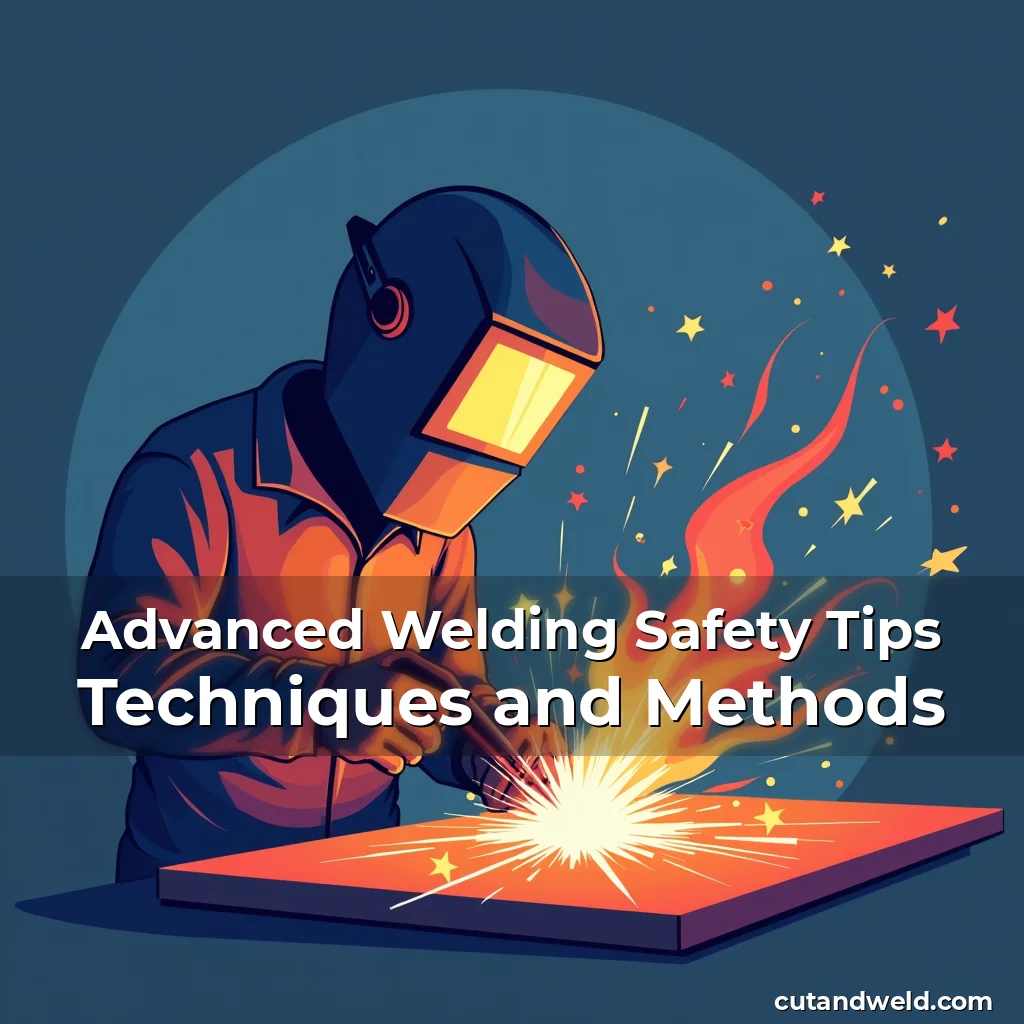
Proper protective gear forms the first line of defense against welding-related injuries. The most critical components include specialized eye protection, respiratory safeguards, and flame-resistant clothing. These items are not optional accessories—they’re essential requirements for any welding operation.
Selecting the right equipment depends on the type of welding process being used. For example, when working with MIG or TIG welders, different exposure risks require distinct protective measures compared to oxy-acetylene torches. Always consult manufacturer guidelines before choosing your safety gear.
- Eyes and Face Protection: Auto-darkening helmets with shade ratings between 8-14 offer optimal UV/IR radiation protection without compromising visibility during welding arcs.
- Respiratory Protection: NIOSH-certified respirators filter out harmful fumes from metals like stainless steel and aluminum, which release toxic particles when heated.
- Clothing Standards: Flame-retardant welder jackets made from leather or Nomex fabric provide heat resistance up to 1600°F (871°C) for extended protection periods.
Creating a Safe Work Environment
Adequate workspace preparation is crucial for preventing accidents during welding operations. Before starting any project, ensure the area meets basic safety standards that minimize fire hazards and reduce exposure risks.
Clear debris from the immediate surroundings to prevent sparks from igniting flammable materials. Maintain a minimum clearance of three feet around the welding station to allow for safe movement and emergency access.
Ventilation System Guidelines
Effective ventilation systems significantly reduce inhalation risks by removing hazardous fumes and gases
The Ultimate Welder’s Safety Manual: Essential Practices to Protect Your Health and Workplace
In the high-intensity world of metal fabrication, welding safety isn’t just recommended—it’s non-negotiable. From industrial manufacturing plants to home workshops, every welder must prioritize personal protection against hazards that can cause serious injury or long-term health issues.
This comprehensive guide provides expert-approved safety protocols specifically tailored for both novice and experienced welders. By understanding the full range of risks associated with welding processes and implementing preventive measures, you’ll be able to work confidently while maintaining your physical well-being.
Fundamental Protective Equipment Requirements
Proper protective gear forms the first line of defense against welding-related injuries. The most critical components include specialized eye protection, respiratory safeguards, and flame-resistant clothing. These items are not optional accessories—they’re essential requirements for any welding operation.
Selecting the right equipment depends on the type of welding process being used. For example, when working with MIG or TIG welders, different exposure risks require distinct protective measures compared to oxy-acetylene torches. Always consult manufacturer guidelines before choosing your safety gear.
- Eyes and Face Protection: Auto-darkening helmets with shade ratings between 8-14 offer optimal UV/IR radiation protection without compromising visibility during welding arcs.
- Respiratory Protection: NIOSH-certified respirators filter out harmful fumes from metals like stainless steel and aluminum, which release toxic particles when heated.
- Clothing Standards: Flame-retardant welder jackets made from leather or Nomex fabric provide heat resistance up to 1600°F (871°C) for extended protection periods.
Creating a Safe Work Environment
Adequate workspace preparation is crucial for preventing accidents during welding operations. Before starting any project, ensure the area meets basic safety standards that minimize fire hazards and reduce exposure risks.
Clear debris from the immediate surroundings to prevent sparks from igniting flammable materials. Maintain a minimum clearance of three feet around the welding station to allow for safe movement and emergency access.
Ventilation System Guidelines
Effective ventilation systems significantly reduce inhalation risks by removing hazardous fumes and gases “`