Metal Fabrication for Beginners: Getting Started
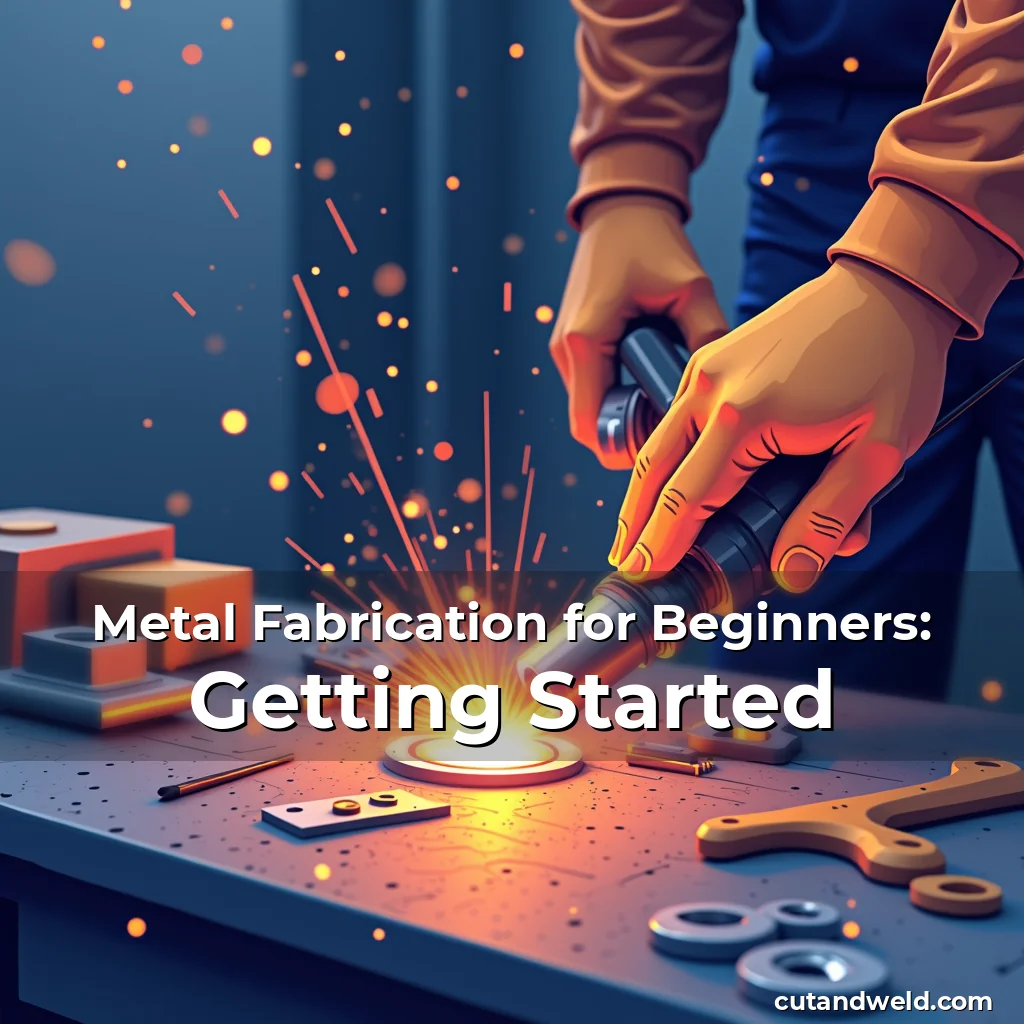
The Art and Science of Metal Fabrication: From Concept to Creation
In an age where innovation drives progress, metal fabrication stands as a cornerstone of modern industry. Whether you’re building a custom piece of furniture or constructing massive infrastructure projects, understanding the principles behind metal fabrication can open doors to endless possibilities.
This guide delves deep into the world of metal fabrication, exploring its techniques, tools, safety considerations, and applications across various industries. By mastering these fundamentals, both hobbyists and professionals alike will gain the confidence to bring their visions to life through steel, aluminum, copper, and other metals.
Understanding the Basics of Metal Fabrication
Metal fabrication is the process of shaping raw metal materials into finished products using a variety of techniques such as cutting, bending, welding, and assembling. This craft combines artistry with engineering precision to create everything from simple brackets to complex machinery components.
At its core, metal fabrication involves three primary steps: design, material selection, and manufacturing. Design begins with creating blueprints or CAD models that define the final product’s dimensions and specifications. Material selection considers factors like strength, weight, cost, and environmental resistance when choosing between different types of metals.
The manufacturing phase encompasses numerous processes including shearing, punching, rolling, and machining. Each method serves a specific purpose depending on the desired outcome and complexity level required for the project at hand.
- Cutting: Involves separating metal sheets or bars into smaller pieces using machines like plasma cutters or laser cutters which offer high accuracy and efficiency.
- Bending: Refers to forming flat metal parts into curved shapes utilizing press brakes that apply controlled force along predetermined lines.
- Welding: Bonds two or more metal surfaces together by melting them at their joining points either through heat alone or combined with pressure.
Essential Tools and Equipment Used in Metal Fabrication
A well-equipped workshop requires several essential tools and equipment tailored specifically for working with metals. These include power tools designed for precise cuts as well as manual instruments used during assembly stages.
Fabricators rely heavily on specialized machinery such as CNC (Computer Numerical Control) machines capable of executing intricate designs automatically based on digital input files. Additionally, traditional hand tools remain indispensable for tasks requiring fine adjustments or repairs.
Commonly found within any serious fabrication environment are items like angle grinders, welders, oxyacetylene torches, and measuring devices ranging from calipers to levels ensuring accurate construction outcomes every time.
Choosing Between Manual vs Automated Machinery
Selecting appropriate machinery depends largely upon individual needs; those seeking greater control might prefer manual operation while businesses aiming for mass production often opt for automation solutions instead.
Manual tools provide tactile feedback allowing fabricators to make real-time adjustments whereas automated systems ensure consistent quality output but require initial investment costs before seeing returns on investment.
Safety Protocols and Best Practices in Metal Fabrication
Safety must always be prioritized above all else whenever engaging in metalworking activities due to inherent risks associated with handling sharp objects, intense heat sources, flying debris, etcetera.
Implementing strict personal protective equipment policies helps mitigate potential hazards significantly reducing workplace injuries among personnel involved throughout each stage of production cycle.
Proper training programs covering emergency procedures alongside regular maintenance checks guarantee safe operating conditions suitable even for novice users venturing into this field without prior experience.
- Eyes Protection: Always wear certified goggles or full-face shields against sparks generated during welding operations.
- Hearing Protection: Utilize earplugs or earmuffs near noisy environments produced by heavy-duty machinery running continuously over extended periods.
- Wear long sleeves shirts made from flame-resistant fabrics paired with gloves resistant enough to withstand extreme temperatures encountered regularly.
Different Types of Metals Commonly Used in Fabrication Projects
Variations exist regarding suitability levels depending on intended use cases thus making careful consideration vital prior selecting particular alloys over others available commercially today.
Steel remains popular choice because of exceptional durability coupled with affordability factor although stainless variants possess higher corrosion resistance properties beneficial under harsher environments compared standard grades.
Aluminum offers lightweight characteristics ideal for aerospace applications yet lacks comparable strength figures relative heavier counterparts necessitating reinforcement measures wherever structural integrity matters most importantly.
Copper excels particularly well electrical conductivity reasons frequently employed wiring systems plumbing fixtures however tends expensive option limiting widespread adoption unless budget allows flexibility towards premium pricing structures.
Techniques Involved in Modern Metal Fabrication Processes
Contemporary advancements have led development innovative methods enhancing productivity rates dramatically improving overall efficiency achieved previously unattainable standards earlier decades ago.
Laser cutting technology enables highly accurate edge profiles minimizing waste generation simultaneously increasing speed capabilities surpassing conventional approaches traditionally relied upon extensively until recent years.
CNC milling provides another example showcasing versatility enabling creation complex geometries otherwise difficult achieve manually especially intricate patterns demanding minute tolerances maintained consistently throughout entire component lifecycle.
Additive manufacturing known commonly 3D printing introduces new dimension possibility designing bespoke elements previously considered impractical owing limitations imposed subtractive methodologies prevalent before emergence additive technologies revolutionizing sector entirely.
Applications Across Various Industries Within Metal Fabrication Field
Ranging automotive sector requiring robust chassis frames right up medical device manufacturers needing sterile surgical instruments showcases breadth scope covered single discipline encompassing multitude sectors globally.
Construction industry benefits immensely reinforced structures built employing advanced jointing techniques ensuring longevity buildings withstand natural disasters better equipped than older generations lacking similar precautions incorporated initially.
Precision engineering fields benefit greatly microcomponents fabricated meeting exacting dimensional requirements crucial functioning delicate mechanisms inside sophisticated electronic gadgets everyday consumers interact seamlessly unaware underlying complexity exists beneath surface appearance.
Emerging Trends Shaping Future Direction Of Metal Fabrication Industry
Integration artificial intelligence predictive analytics transforming how companies approach resource allocation scheduling optimizing workflows maximizing utilization existing assets efficiently thereby reducing operational expenses substantially.
Use sustainable practices becoming increasingly important response global climate change concerns prompting shift toward eco-friendly alternatives biodegradable coatings recycled materials helping minimize carbon footprint left behind throughout complete lifespan product being developed.
Collaborative robotics assisting human workers performing repetitive lifting tasks freeing individuals concentrate creative aspects projects rather mundane duties potentially boosting morale engagement level workforce significantly.
Getting Started With Your Own Metal Fabrication Journey
For aspiring enthusiasts wishing embark journey learning trade best begin acquiring foundational knowledge theory practical skills gradually progressing towards hands-on experimentation safely.
Enrolling local vocational schools offering certification courses proves excellent starting point providing structured curriculum guided experienced instructors familiar nuances profession thoroughly.
Alternatively online platforms providing tutorials videos demonstrations accessible anywhere anytime convenient manner perfect beginners unable attend physical classes due geographical constraints limited availability nearby institutions.
Investing entry-level tools set sufficient perform basic operations initially includes angle grinder soldering iron wrenches pliers screwdrivers amongst essentials facilitating early success experiences encouraging continued pursuit interest further development expertise overtime.
Conclusion
Whether driven by passion craftsmanship desire build something tangible metal fabrication presents rewarding endeavor filled challenges opportunities growth waiting exploration.
By embracing continuous learning staying updated technological innovations maintaining commitment safety protocols anyone regardless background stand chance thrive dynamic evolving landscape defined creativity technical proficiency combined harmoniously.