Welding Safety Tips: Essential Tools and Resources
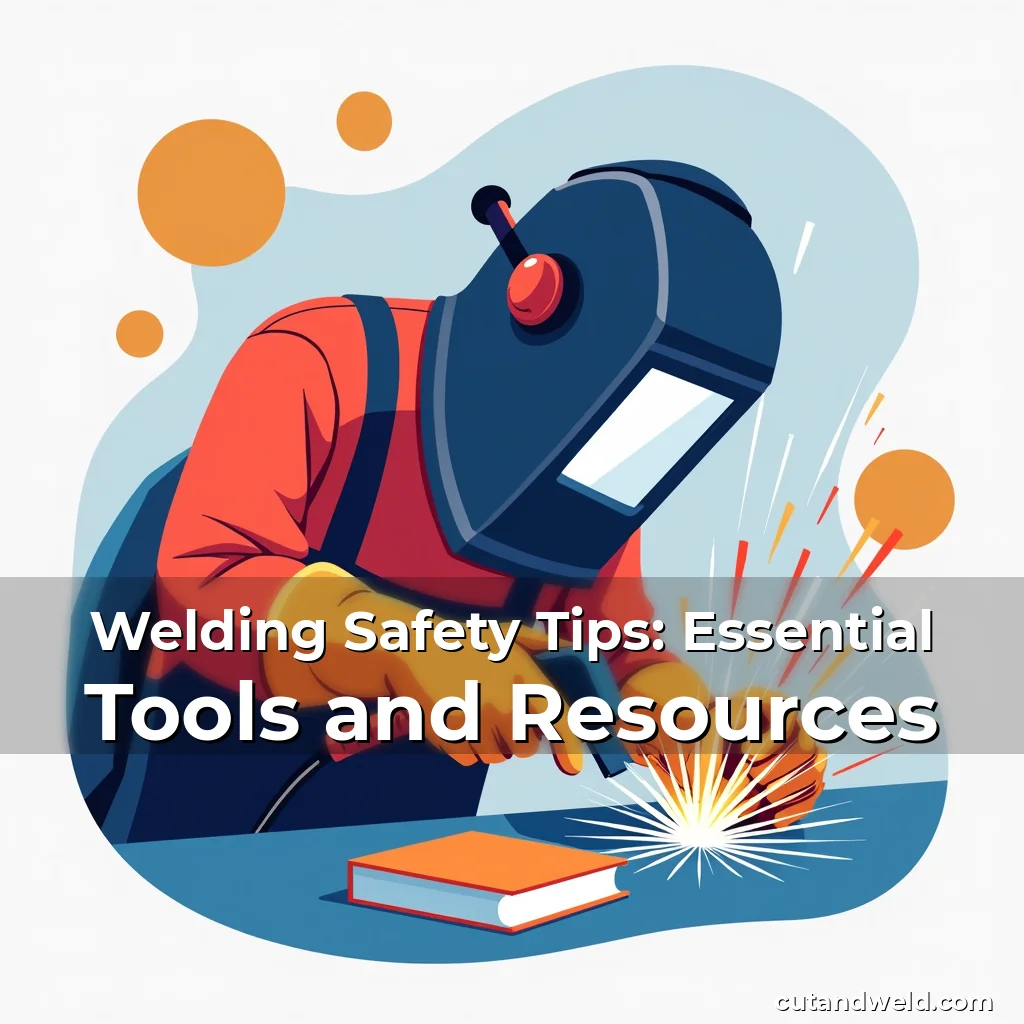
Essential Welding Safety Measures: A Cut-and-Weld Community Guide to Prevent Injuries and Ensure Professional Results
Whether you’re a seasoned welder or just getting started, welding presents significant risks to both personal health and workplace safety. From exposure to intense ultraviolet light to hazardous fumes and potential fires, negligence in following safety protocols can lead to severe injuries or even life-threatening situations.
This comprehensive resource has been specifically crafted for members of the Cut-and-Weld community, providing in-depth guidance on protecting yourself during all stages of welding projects. You’ll discover critical measures ranging from selecting the right Personal Protective Equipment (PPE) to establishing safe work environments tailored for different types of cutting and joining processes.
Protective Gear Essentials for Every Welder
Your first line of defense against welding hazards begins with high-quality protective gear. Specialized eye protection remains paramount due to the extreme intensity of arc flash radiation emitted during welding operations. This includes both auto-darkening helmets and traditional shaded lenses designed to block harmful UV/IR rays while allowing clear visibility of the workpiece.
Respiratory protection is equally crucial when dealing with metal particulates generated through various cutting techniques like plasma torch usage. Full-face respirators equipped with HEPA filters provide optimal protection against fine metal dust particles and toxic fumes produced when melting different alloy compositions.
- Eye Protection: Choose certified welding helmets with shade levels matching the type of process being performed – typically #8-#12 for MIG and TIG applications.
- Gloves Selection: Opt for heat-resistant gloves rated for the expected temperature range; leather thickness determines protection levels (minimum.25mm for general purposes).
Chest protectors offer vital shielding against molten metal splatter commonly encountered during oxy-acetylene cutting procedures. These should cover upper body areas while remaining flexible enough to allow comfortable movement during extended sessions at the workstation.
Proper footwear becomes essential given the risk of heavy objects falling onto bare skin. Steel-toed boots combined with non-slip soles provide dual benefits of impact resistance and stable footing around industrial-grade machinery setups.
Evaluating Work Environment Requirements
Adequate workspace configuration plays a pivotal role in minimizing accident risks associated with cutting metals. Establishing clean, organized zones reduces clutter-related hazards caused by misplaced tools or debris accumulation near flammable materials. Always ensure your work area maintains sufficient clearance around all sides of your operating table or platform.
Ventilation systems become absolutely necessary depending upon ambient air quality factors. When performing tasks involving galvanized steel or aluminum alloys, special attention must be paid to indoor airflow management strategies because these metals release particularly dangerous fume compounds when melted.
Outdoor welding operations require different considerations compared to indoor settings. Direct sunlight glare affects helmet visor performance, necessitating adjustments to viewing angles or switching out lens shades mid-project as environmental conditions change unpredictably.
Fuel Storage Considerations
When dealing with gas-powered equipment used frequently in field conditions, storing fuels safely becomes mandatory practice. Cylinder storage locations should remain well away from ignition sources while properly secured upright against tipping over due to vibrations or accidental impacts during transport between job sites.
Oxy-fuel cylinder compatibility checks prior to use prevent cross-contamination incidents that could damage valves or cause unexpected pressure surges inside connectors. Regular inspection routines maintain integrity across all fuel supply lines running from tanks to torch assemblies during service hours.
Precision Handling Techniques Across Metal Types
Different metallurgical properties demand varied handling approaches when initiating welding cuts on specialty steels. Austenitic stainless grades resist corrosion better than ferritic varieties yet melt at lower temperatures making them prone to warping unless cooled strategically during seam completion phases.
Titanium requires particular caution because its reactive nature means oxygen exposure above certain thresholds results in oxidation defects compromising structural strength. Proper shielding gases along with controlled ambient humidity levels form key components of titanium processing standards.
Magnesium combustion poses unique challenges requiring specialized extinguishing agents rather than conventional water-based solutions. Dry chemical fire suppression methods prove most effective against magnesium fires commonly seen during grinding operations post-cutting stages.
Equipment Maintenance Protocols
Routine servicing schedules minimize failure rates among electrically operated welding machines used daily at commercial fabrication facilities. Cleanliness of contact tip surfaces significantly influences current transfer efficiency in MIG welders impacting final product quality negatively if neglected over periods exceeding three weeks between sessions.
Periodic calibration checks verify operational accuracy across multiple gauges present on modern power supplies. Maintaining consistent amperage readings prevents overheating scenarios resulting from voltage fluctuations originating from external grid disturbances affecting input signals reaching internal circuitry boards.
Lubrication intervals differ per mechanism type existing within moving parts such as rotating drive rollers found mainly inside feed systems responsible for pushing wire strands towards heated arcs during continuous weld pass operations.
Safety Procedures During Long-Duration Projects
Extended work periods increase susceptibility to repetitive motion disorders affecting wrists and shoulders through prolonged manipulation of torch positions. Incorporating periodic stretching exercises every thirty minutes helps alleviate cumulative strain experienced repeatedly throughout long-term welding assignments lasting several consecutive days.
Monitoring hydration status proves especially important indoors where evaporative cooling mechanisms operate continuously regardless of surrounding temperatures detected outside buildings housing primary workstations.
The importance of designated rest intervals cannot be overstated regarding cognitive fatigue development linked strongly to sustained visual concentration demands placed upon operators constantly scanning workpieces for imperfections needing correction before proceeding further along seams being joined together seamlessly.
Emergency Response Planning
Developing contingency plans covers scenarios ranging from minor burns treated locally through wound cleansing actions to catastrophic failures involving electrical shorts causing complete loss-of-power events requiring immediate disconnection from mains electricity sources powering entire shop facilities.
All staff involved regularly participate in emergency drills simulating evacuation routes and assembly points located away from hazardous zones defined by initial setup parameters dictating layout configurations established at start of new construction initiatives taking place routinely inside enclosed spaces.
Fire blanket availability near hot metal containment units provides quick response options before flames spread uncontrollably leading potentially toward full-blown conflagrations damaging infrastructure irreversibly.
Training Needs Assessment
Competency evaluations determine proficiency levels among personnel assigned roles requiring direct interaction with welding apparatuses. Documentation confirming satisfactory completion forms part integral credentialing process validating authorization granted initially prior to hands-on experience acquired subsequent training programs launched periodically for skill refreshing purposes primarily aimed at senior technicians supervising apprentice trainees engaged currently in learning basic operational skills fundamental to entering trade workforce successfully.
Specialty certifications apply notably whenever working with exotic material formulations possessing unusual reactivity profiles demanding strict adherence to precise parameter controls maintained precisely throughout all phases spanning preparation, execution, and finishing stages applied uniformly consistently across every component fabricated following standardized industry guidelines accepted globally governing safety benchmarks enforced internationally via regulatory bodies monitoring compliance levels observed nationally across participating jurisdictions having ratified applicable treaties concerning occupational health protections mandated universally through legal frameworks binding international corporations operating transnationally across multiple sovereign territories simultaneously.
Conclusion
By implementing these comprehensive safety measures, welders can greatly reduce risks associated with their profession while maintaining productivity across diverse application domains requiring precision and durability achievable exclusively through sound metallurgical practices supported fully by robust health & safety regimes safeguarding workers physically and mentally throughout careers spanning decades dedicated entirely toward mastering complex techniques inherent uniquely within welding discipline.
Remember always: Prevention beats treatment in injury management strategies related closely to thermal trauma inflicted by uncontrolled energy outputs originating fundamentally from electric currents converted effectively into radiant heat capable of achieving fusion levels necessary completing successful joints forming core structures supporting countless infrastructural developments relied heavily upon worldwide continuously day-in-day-out without interruption whatsoever assuming no adverse incidents disrupt normal operations conducted methodically meticulously carefully planned ahead thoroughly assessed beforehand adequately prepared contingently addressed proactively mitigated preemptively prevented altogether ideally preventing occurrence happening initially eliminating possibility manifesting itself ever occurring anywhere anytime anywhere ever.