Professional Welding: Advanced Techniques
Mastering Precision: Essential Welding Practices for Modern Fabrication
In the realm of industrial manufacturing and artisanal craftsmanship, welding stands as a cornerstone skill that bridges materials with unparalleled strength and versatility. From towering steel structures to intricate automotive components, the art and science of welding demand expertise, precision, and adaptability. As technologies evolve, so do the methodologies and expectations surrounding this vital trade.
This guide delves deep into the intricacies of professional welding, exploring advanced techniques, safety protocols, equipment nuances, and emerging innovations. Whether you’re refining your craft or entering the field anew, these insights aim to elevate your understanding and proficiency in welding.
The Evolution of Welding Processes
Welding has undergone significant transformation over decades, shifting from rudimentary forge-based techniques to high-tech automated systems. Early methods relied heavily on oxyacetylene torches, which remain relevant today but have been supplemented by electric arc welding and laser fusion. These advancements have expanded possibilities while demanding new skill sets among practitioners.
Modern fabrication often involves selecting the right process for specific applications. For instance, Metal Inert Gas (MIG) welding is favored for speed and ease, making it ideal for structural projects, whereas Tungsten Inert Gas (TIG) offers unmatched precision for thin metals and aerospace work. Understanding these distinctions ensures optimal results across industries.
- MIG Welding: Utilizes a continuous wire feed and shielding gas, offering high productivity and simplicity for beginners.
- TIG Welding: Requires manual control of both heat input and filler material, providing superior quality for delicate joints.
- Stick Welding: Ideal for outdoor environments due to its lack of external gas dependency, though slower compared to MIG/TIG.
Safety Protocols: Prioritizing Protection at Every Stage
Safety remains paramount in welding operations. Exposure to intense UV radiation, molten metal splatter, and toxic fumes necessitates rigorous protective measures. Neglecting these precautions risks severe burns, eye damage, respiratory issues, and even long-term health complications.
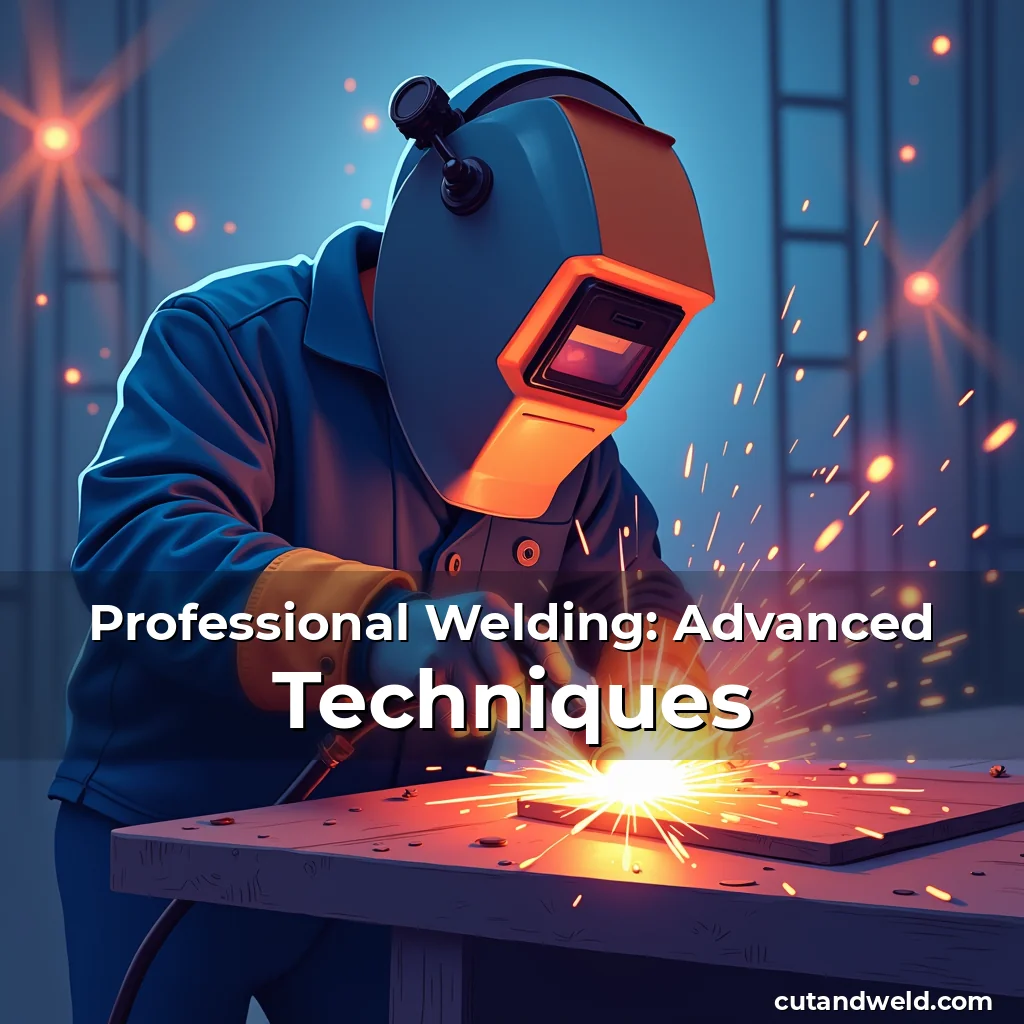
A well-equipped welder wears specialized Personal Protective Equipment (PPE), including flame-resistant clothing, helmets with auto-darkening filters, and gloves rated for high temperatures. Ventilation systems or respirators are essential when working indoors or with hazardous materials like stainless steel.
Evolving Standards in Workplace Safety
Recent studies indicate that nearly 68% of welding-related injuries stem from inadequate protection rather than machinery failure. Compliance with OSHA regulations and updated ANSI standards helps mitigate these risks significantly. Regular training sessions on emergency procedures further enhance workplace preparedness.
Moreover, maintaining clear workspace organization reduces accidental contact with hot surfaces or flammable substances. Fire extinguishers rated for Class D fires and grounding devices prevent electrical hazards during welding tasks.
Selecting the Right Equipment: Matching Tools to Tasks
Choosing appropriate welding equipment hinges on several factors, including job scope, material thickness, and desired outcomes. Machines range from portable stick welders suited for fieldwork to heavy-duty MIG units capable of handling thick plates efficiently. Compatibility with power sources and consumables adds complexity to decision-making.
For example, aluminum requires DC reverse polarity settings on most welders to achieve adequate penetration, while carbon steel favors AC/DC flexibility depending on electrode type. Additionally, selecting compatible shielding gases—like argon for TIG or CO₂ mixtures for MIG—is critical for weld integrity.
- Power Supply Considerations: Ensure voltage stability and amperage adjustment capabilities match intended workload demands.
- Consumable Quality: High-grade electrodes and wires minimize porosity defects and prolong machine lifespan.
- Cooling Systems: Air-cooled machines suffice for light duty, while water-cooled variants handle prolonged operations effectively.
Advanced Techniques: Elevating Craftsmanship Through Mastery
Proficient welders employ advanced techniques beyond basic joining methods to address complex challenges. Bead manipulation, for instance, allows precise control over weld pool shape and size, influencing final part aesthetics and mechanical properties. Mastering this requires practice and attention to travel angle adjustments.
Joint design plays a pivotal role in determining weld strength and durability. Butt joints provide seamless connections, while lap joints distribute stress evenly across overlapping surfaces. Fillet welds, commonly used in corner joins, benefit from careful root pass execution to avoid incomplete fusion.
Filler Material Selection: Enhancing Structural Integrity
The choice of filler material impacts corrosion resistance, tensile strength, and thermal expansion compatibility. Stainless steel welds typically require matching alloy composition, while dissimilar metal combinations may involve special alloys or preheating treatments to reduce cracking risks.
Filler rod diameters vary according to base metal thickness. Thicker rods are suitable for high-current applications, whereas thinner ones offer finer control during intricate detailing work. Preparing surfaces through cleaning and bevelling enhances filler integration and minimizes imperfections.
Quality Control Measures: Ensuring Excellence in Every Joint
Rigorous quality assurance is non-negotiable in professional welding. Visual inspections identify surface flaws like undercutting or porosity early, preventing costly reworks later. Beyond appearances, destructive and non-destructive testing confirm internal soundness against industry benchmarks.
Dye penetrant testing detects microcracks invisible to naked eyes, while ultrasonic scans reveal subsurface discontinuities. Adhering to ASME or AWS codes guarantees compliance with specifications across sectors—from pressure vessels to nuclear containment structures.
- Visual Inspection Checklist: Includes checking for distortion, excess reinforcement, and alignment deviations post-welding.
- X-ray Testing: Used extensively in aerospace and pipeline industries where hidden faults pose catastrophic risks.
- Hydrostatic Tests: Validate leak-proof performance in tanks and containers subjected to fluid pressures.
Emerging Technologies: Shaping Tomorrow’s Welding Landscape
The advent of robotics and AI-driven systems revolutionizes welding workflows, enhancing consistency and reducing human exposure to hazardous conditions. Automated welders execute repetitive tasks flawlessly, allowing skilled technicians to focus on complex problem-solving and oversight roles.
Laser beam welding introduces unprecedented accuracy levels, enabling ultra-thin sheet metal assemblies previously unattainable via conventional means. Coupled with real-time monitoring sensors, these systems adjust parameters dynamically for perfect weld profiles, minimizing trial-and-error guesswork.
Integration of Digital Twins in Welding Simulation
Digital twin technology creates virtual replicas of physical welding setups, allowing engineers to simulate various scenarios before actual production begins. This approach identifies potential weaknesses upfront, saving resources and accelerating innovation cycles dramatically.
Augmented reality interfaces assist trainees by overlaying guidance onto live welding feeds, highlighting correct torch angles and travel speeds visually. Such immersive learning accelerates skill acquisition curves among newcomers rapidly.
Sustainable Practices: Embracing Eco-Friendly Approaches
As environmental consciousness grows, sustainable welding practices gain traction globally. Reducing energy consumption through efficient machine utilization cuts operational costs while lowering carbon footprints associated with power generation. Recycling scrap metal contributes positively towards circular economy goals without compromising product quality.
Implementing green coatings instead of traditional paints provides rust protection without volatile organic compounds (VOCs). Similarly, adopting low-fume flux-cored wires lessens indoor air pollution dangers for workers and nearby communities alike.
- Energy-Efficient Machines: Look for welders featuring sleep modes and variable speed controls to optimize electricity usage.
- Recycling Programs: Partner with local foundries to repurpose old parts ethically rather than landfill disposal.
- Biodegradable Consumables: Research biocompatible alternatives available for niche markets prioritizing ecological impact reduction.
Continuous Learning & Community Engagement
Becoming adept at welding requires perpetual education amidst ever-evolving technologies. Online platforms host courses covering everything from beginner basics up to master-level certifications recognized internationally. Engaging actively within forums like CutAndWeld fosters knowledge exchange and peer support networks beneficially.
Attending workshops led by seasoned professionals exposes learners to hands-on experiences rarely replicated in classroom settings alone. Collaborative projects stimulate creativity while reinforcing theoretical understandings practically through group problem-solving exercises.
Conclusion
From mastering fundamental processes to embracing cutting-edge innovations, welding continues evolving alongside humanity’s quest for stronger, safer constructions worldwide. Equipped with proper knowledge, dedication, and ethical responsibility toward environment sustainability, welders hold immense influence shaping tomorrow’s infrastructure realities positively.
To thrive professionally, commit consistently toward refining skills through formal training programs, stay updated regarding latest developments in field-specific domains, and always prioritize safe working habits above all else. Your journey towards becoming an exceptional welder starts today!