Professional Welding Safety Tips: Advanced Techniques
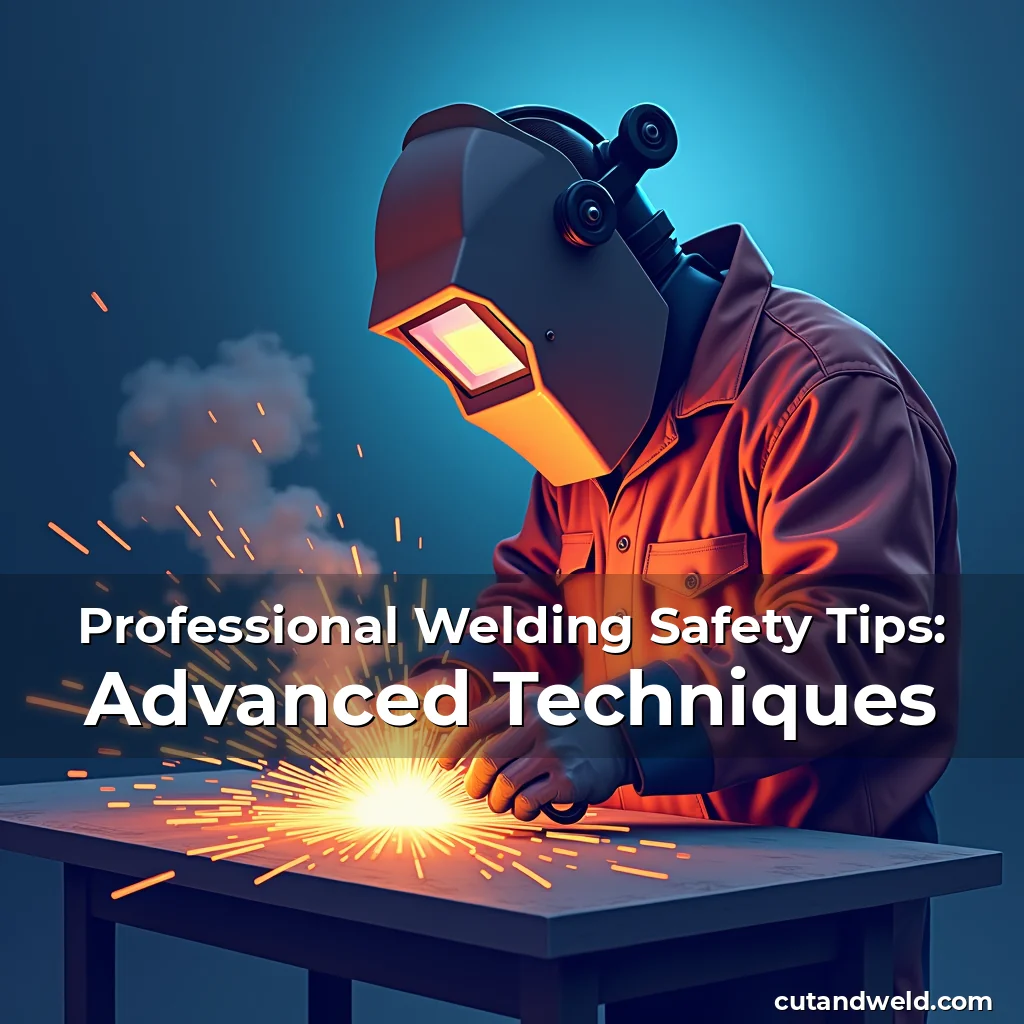
Mastering Safe Practices: Essential Welding Safety Guidelines for Professionals
The art of welding demands not only skill but also unwavering commitment to safety protocols. As professionals in the cutandweld community, understanding the intricate nuances of workplace hazards can be the difference between mastery and mishap.
From high-intensity UV radiation exposure to the unpredictable nature of molten metal, welders face challenges that require both technical expertise and proactive risk management strategies.
Understanding the Hazards of Welding Environments
Welding environments are inherently dangerous due to the combination of heat, light, and chemical byproducts. These factors create an environment where even minor lapses in safety procedures can lead to severe consequences.
The intense ultraviolet radiation emitted during arc welding is capable of causing immediate eye damage known as welder’s flash. This condition results from overexposure to UV rays without adequate eye protection.
Additionally, the extreme temperatures generated by welding processes—often exceeding 6000°F—pose significant risks to unprotected skin and clothing materials. Thermal burns can occur within seconds of direct contact.
- Arc Flash Protection: Always wear auto-darkening helmets equipped with appropriate shade lenses when working with electric arcs.
- Heat Resistant Clothing: Choose flame-resistant gear made from materials like Nomex or Kevlar to prevent burn injuries.
- Ventilation Systems: Implement local exhaust ventilation systems to remove hazardous fumes and gases from enclosed spaces.
Evaluating Personal Protective Equipment Requirements
Personal protective equipment forms the first line of defense against numerous welding-related dangers. The effectiveness of these items depends heavily on their correct selection and consistent use.
Gloves play a critical role in protecting hands from thermal burns caused by sparks and flying debris. They must be rated for the specific type of welding being performed.
Safety glasses offer limited protection compared to full-face shields designed specifically for welding applications. Choosing the right PPE involves considering both the task at hand and environmental conditions.
Selecting Appropriate Eye Protection
Data shows that nearly 80% of welders experience some form of ocular injury related to welding activities. Proper eye protection significantly reduces this statistic.
Ophthalmologists recommend using ANSI-approved filters that provide adequate shielding against harmful wavelengths while maintaining sufficient visibility for precise work execution.
Certain specialized welding tasks may necessitate additional filter shades beyond standard ratings depending upon current settings and material thicknesses involved.
Implementing Effective Ventilation Strategies
Fume extraction plays a crucial role in preventing long-term respiratory issues associated with inhaling metallic vapors produced during welding operations.
In confined areas such as shipyards or construction sites, portable air filtration units become essential components of any safe welding setup.
Proper placement of extraction devices relative to the welding zone ensures optimal capture rates before airborne particles disperse widely through the workspace.
- Local Exhaust Ventilation: Position hoods close to emission sources for maximum efficiency in capturing contaminants.
- General Dilution Ventilation: Increase overall airflow circulation to dilute concentrations of harmful substances present in ambient air.
- Dust Collection Units: Regularly maintain collection bags and filters to ensure continuous operation effectiveness.
Managing Fire Risks in Welding Operations
Fire prevention measures are non-negotiable aspects of professional welding practices. Sparks traveling distances up to thirty feet pose substantial threats especially around flammable materials.
Adequate fire suppression tools including Class D extinguishers should always be readily available near active welding zones. Wet blankets can serve as temporary barriers against spreading flames.
Routine inspections of surrounding areas help identify potential ignition points before they escalate into serious incidents. Clearing combustible objects from immediate vicinity minimizes accidental fires dramatically.
- Flame Retardant Mats: Place these under welding tables to contain stray embers and protect underlying surfaces.
- Water Sources: Maintain access to water supplies for emergency cooling purposes when dealing with hot metal parts.
- Emergency Exits: Ensure unobstructed pathways leading away from workstation locations for swift evacuation scenarios.
Ensuring Electrical Safety During Arc Welding Processes
Electrical hazards remain among the most overlooked yet potentially fatal risks faced by welders daily. Improper grounding techniques contribute significantly to shock accidents across various industrial sectors.
All electrical connections must be inspected regularly for signs of deterioration or corrosion which could compromise system integrity. Using multi-meter devices helps verify voltage levels safely prior to commencement.
Polarity checks guarantee compatibility between power supply outputs and consumables used throughout different welding modes. Incorrect configurations increase likelihoods of arcing events leading towards electrocutions.
- Ground Clamp Placement: Secure clamps tightly onto clean metal surfaces avoiding paint coatings or rust deposits for reliable conductivity.
- Insulated Tools: Utilize handles covered with rubberized grips to minimize chances of accidental shocks during adjustments.
- Regular Maintenance: Schedule periodic testing cycles for all electrical apparatus ensuring continued operational reliability standards meet OSHA regulations.
Maintaining Optimal Workplace Ergonomics While Welding
Physical strain resulting from poor posture becomes increasingly prevalent among experienced welders who neglect ergonomic considerations over time periods spanning years.
Adjustable stands allow positioning welding torches at ideal heights reducing shoulder discomfort commonly reported amongst practitioners utilizing fixed height setups consistently.
Workstations featuring anti-fatigue mats encourage dynamic movement patterns helping alleviate prolonged standing effects contributing towards musculoskeletal disorders development.
- Repetitive Motion Injuries: Introduce scheduled rest intervals every ninety minutes to prevent cumulative trauma syndromes affecting joints particularly wrists and elbows.
- Supportive Seating Options: Provide cushioned chairs equipped with lumbar support features enhancing comfort levels when performing seated weld jobs requiring extended durations.
- Tool Handling Aids: Incorporate mechanical lift assists for heavy component placements decreasing physical load requirements placed upon individual operators’ bodies.
Preventing Exposure to Harmful Fumes Through Respiratory Protection
Respiratory health remains paramount concern within welding communities given presence of toxic metals vaporizing during fusion reactions forming fine particulate matter inhalation targets.
Choosing respirators certified according to NIOSH guidelines assures users receive filtration capabilities necessary against diverse contaminant types encountered routinely.
Half-face models suffice for low-risk environments whereas full-face alternatives become mandatory whenever working indoors amid insufficient natural ventilation provisions existently.
- Hazmat Awareness Training: Participate in educational programs covering identification methods distinguishing between benign dust clouds versus hazardous aerosol emissions visually.
- Filter Replacement Schedules: Adhere strictly defined replacement timelines specified by manufacturer manuals preserving intended performance metrics undiminished by expired media elements.
- Fit Testing Procedures: Undergo annual fit tests confirming seal quality maintains integrity across varying facial structures ensuring complete coverage assurance against leaks occurring unexpectedly.
Establishing Comprehensive Emergency Response Protocols
An effective incident response plan outlines clear steps taken following unexpected occurrences ranging from mild injuries upwards toward catastrophic failures demanding coordinated efforts.
Designated personnel trained specifically in CPR administration along with first aid fundamentals constitute foundational elements required establishing robust medical readiness capacities internally.
Clearly marked exits combined with illuminated pathway indicators facilitate rapid egress sequences crucial during urgent evacuations triggered by unforeseen emergencies arising spontaneously anywhere inside facilities.
- Alarm Systems Integration: Install smoke detectors linked directly with building-wide notification networks alerting occupants promptly whenever combustion signatures emerge threatening safety thresholds.
- Communication Devices: Equip workers with two-way radios enabling real-time updates exchanged swiftly amidst chaotic situations requiring immediate decision making inputs derived from field reports.
- Medical Kits Accessibility: Locate first aid stations strategically positioned equidistance from primary workspaces allowing prompt assistance delivery minimizing delay times detrimental recovery outcomes.
Continuous Education Through Professional Development Programs
Staying updated regarding evolving industry standards necessitates participation in ongoing training sessions offered periodically through accredited institutions specializing occupational safety education topics broadly.
Certification courses focusing exclusively upon advanced hazard mitigation tactics equip individuals acquiring knowledge bases reinforcing preventative approaches curbing accident frequencies effectively.
Networking opportunities facilitated via trade shows or conferences enhance collective awareness sharing best practices cultivated globally improving communal safety benchmarks continuously.
- Online Learning Modules: Engage with digital platforms providing interactive simulations replicating actual workshop conditions aiding comprehension retention rates surpassing traditional lecture formats traditionally employed earlier eras pedagogically.
- Cross-Training Opportunities: Encourage interdisciplinary collaborations fostering transferable skills applicable across varied manufacturing contexts promoting versatile competencies adaptable flexibly meeting shifting project demands dynamically.
- Feedback Mechanisms Implementation: Establish structured evaluation frameworks gathering worker testimonials assessing program efficacy measuring return-on-investment ratios determining future investment allocations accurately based empirical data rather than assumptions.
Creating Culture Of Safety Within Workforce Communities
Cultivating organizational climates valuing wellness initiatives demonstrates leadership prioritization towards employee preservation objectives inherently boosting morale concurrently.
Leadership engagement visible through regular site visits coupled with open-door policies promotes transparency encouraging candid discussions addressing concerns voiced freely without fear reprisal apprehensions deterring honest communication channels.
Peer mentoring programs pair seasoned veterans alongside novices creating supportive ecosystems nurturing growth trajectories accelerating acclimatization phases smoothing transition curves easing adaptation hurdles initially confronting newcomers freshly initiated processes.
- Recognition Awards System: Institutionalize reward mechanisms acknowledging exemplary conduct exemplifying top-tier safety adherence celebrating successes publicly inspiring emulation behaviors organically influencing peer dynamics positively.
- Incident Reporting Incentives: Develop anonymous reporting avenues facilitating disclosure of unsafe conditions without jeopardizing career progression prospects mitigating underreporting tendencies persisting silently undermining improvement potentials otherwise concealed deliberately.
- Team Building Exercises: Organize collaborative workshops emphasizing cooperative problem-solving exercises reinforcing interdependence principles strengthening group cohesion fortifying resilience facing adversities collectively instead individually isolating themselves vulnerable singularly.
Conclusion
Professionals engaged in welding pursuits benefit immensely from adopting multifaceted approaches integrating technological advancements alongside behavioral modifications cultivating safer workplaces progressively.
By implementing rigorous safety protocols encompassing personal protection methodologies, environmental controls, and emergency preparedness frameworks simultaneously, welders safeguard both human capital investments and operational continuity assurances essential sustaining competitive advantages enduringly.
The journey towards achieving optimum safety standards requires perpetual vigilance tempered with adaptability embracing change proactively instead reacting passively awaiting external pressures forcing transformations reluctantly.
Ultimately, prioritizing well-being transcends mere compliance mandates transforming into intrinsic values shaping identities defining excellence benchmarks attained through conscious choices reflecting dedication towards superior craftsmanship protected responsibly throughout entire careers spanned.
“`
Mastering Safe Practices: Essential Welding Safety Guidelines for Professionals
The art of welding demands not only skill but also unwavering commitment to safety protocols. As professionals in the cutandweld community, understanding the intricate nuances of workplace hazards can be the difference between mastery and mishap.
From high-intensity UV radiation exposure to the unpredictable nature of molten metal, welders face challenges that require both technical expertise and proactive risk management strategies.
Understanding the Hazards of Welding Environments
Welding environments are inherently dangerous due to the combination of heat, light, and chemical byproducts. These factors create an environment where even minor lapses in safety procedures can lead to severe consequences.
The intense ultraviolet radiation emitted during arc welding is capable of causing immediate eye damage known as welder’s flash. This condition results from overexposure to UV rays without adequate eye protection.
Additionally, the extreme temperatures generated by welding processes—often exceeding 6000°F—pose significant risks to unprotected skin and clothing materials. Thermal burns can occur within seconds of direct contact.
- Arc Flash Protection: Always wear auto-darkening helmets equipped with appropriate shade lenses when working with electric arcs.
- Heat Resistant Clothing: Choose flame-resistant gear made from materials like Nomex or Kevlar to prevent burn injuries.
- Ventilation Systems: Implement local exhaust ventilation systems to remove hazardous fumes and gases from enclosed spaces.
Evaluating Personal Protective Equipment Requirements
Personal protective equipment forms the first line of defense against numerous welding-related dangers. The effectiveness of these items depends heavily on their correct selection and consistent use.
Gloves play a critical role in protecting hands from thermal burns caused by sparks and flying debris. They must be rated for the specific type of welding being performed.
Safety glasses offer limited protection compared to full-face shields designed specifically for welding applications. Choosing the right PPE involves considering both the task at hand and environmental conditions.
Selecting Appropriate Eye Protection
Data shows that nearly 80% of welders experience some form of ocular injury related to welding activities. Proper eye protection significantly reduces this statistic.
Ophthalmologists recommend using ANSI-approved filters that provide adequate shielding against harmful wavelengths while maintaining sufficient visibility for precise work execution.
Certain specialized welding tasks may necessitate additional filter shades beyond standard ratings depending upon current settings and material thicknesses involved.
Implementing Effective Ventilation Strategies
Fume extraction plays a crucial role in preventing long-term respiratory issues associated with inhaling metallic vapors produced during welding operations.
In confined areas such as shipyards or construction sites, portable air filtration units become essential components of any safe welding setup.
Proper placement of extraction devices relative to the welding zone ensures optimal capture rates before airborne particles disperse widely through the workspace.
- Local Exhaust Ventilation: Position hoods close to emission sources for maximum efficiency in capturing contaminants.
- General Dilution Ventilation: Increase overall airflow circulation to dilute concentrations of harmful substances present in ambient air.
- Dust Collection Units: Regularly maintain collection bags and filters to ensure continuous operation effectiveness.
Managing Fire Risks in Welding Operations
Fire prevention measures are non-negotiable aspects of professional welding practices. Sparks traveling distances up to thirty feet pose substantial threats especially around flammable materials.
Adequate fire suppression tools including Class D extinguishers should always be readily available near active welding zones. Wet blankets can serve as temporary barriers against spreading flames.
Routine inspections of surrounding areas help identify potential ignition points before they escalate into serious incidents. Clearing combustible objects from immediate vicinity minimizes accidental fires dramatically.
- Flame Retardant Mats: Place these under welding tables to contain stray embers and protect underlying surfaces.
- Water Sources: Maintain access to water supplies for emergency cooling purposes when dealing with hot metal parts.
- Emergency Exits: Ensure unobstructed pathways leading away from workstation locations for swift evacuation scenarios.
Ensuring Electrical Safety During Arc Welding Processes
Electrical hazards remain among the most overlooked yet potentially fatal risks faced by welders daily. Improper grounding techniques contribute significantly to shock accidents across various industrial sectors.
All electrical connections must be inspected regularly for signs of deterioration or corrosion which could compromise system integrity. Using multi-meter devices helps verify voltage levels safely prior to commencement.
Polarity checks guarantee compatibility between power supply outputs and consumables used throughout different welding modes. Incorrect configurations increase likelihoods of arcing events leading towards electrocutions.
- Ground Clamp Placement: Secure clamps tightly onto clean metal surfaces avoiding paint coatings or rust deposits for reliable conductivity.
- Insulated Tools: Utilize handles covered with rubberized grips to minimize chances of accidental shocks during adjustments.
- Regular Maintenance: Schedule periodic testing cycles for all electrical apparatus ensuring continued operational reliability standards meet OSHA regulations.
Maintaining Optimal Workplace Ergonomics While Welding
Physical strain resulting from poor posture becomes increasingly prevalent among experienced welders who neglect ergonomic considerations over time periods spanning years.
Adjustable stands allow positioning welding torches at ideal heights reducing shoulder discomfort commonly reported amongst practitioners utilizing fixed height setups consistently.
Workstations featuring anti-fatigue mats encourage dynamic movement patterns helping alleviate prolonged standing effects contributing towards musculoskeletal disorders development.
- Repetitive Motion Injuries: Introduce scheduled rest intervals every ninety minutes to prevent cumulative trauma syndromes affecting joints particularly wrists and elbows.
- Supportive Seating Options: Provide cushioned chairs equipped with lumbar support features enhancing comfort levels when performing seated weld jobs requiring extended durations.
- Tool Handling Aids: Incorporate mechanical lift assists for heavy component placements decreasing physical load requirements placed upon individual operators’ bodies.
Preventing Exposure to Harmful Fumes Through Respiratory Protection
Respiratory health remains paramount concern within welding communities given presence of toxic metals vaporizing during fusion reactions forming fine particulate matter inhalation targets.
Choosing respirators certified according to NIOSH guidelines assures users receive filtration capabilities necessary against diverse contaminant types encountered routinely.
Half-face models suffice for low-risk environments whereas full-face alternatives become mandatory whenever working indoors amid insufficient natural ventilation provisions existentially.
- Hazmat Awareness Training: Participate in educational programs covering identification methods distinguishing between benign dust clouds versus hazardous aerosol emissions visually.
- Filter Replacement Schedules: Adhere strictly defined replacement timelines specified by manufacturer manuals preserving intended performance metrics undiminished by expired media elements.
- Fit Testing Procedures: Undergo annual fit tests confirming seal quality maintains integrity across varying facial structures ensuring complete coverage assurance against leaks occurring unexpectedly.
Establishing Comprehensive Emergency Response Protocols
An effective incident response plan outlines clear steps taken following unexpected occurrences ranging from mild injuries upwards toward catastrophic failures demanding coordinated efforts.
Designated personnel trained specifically in CPR administration along with first aid fundamentals constitute foundational elements required establishing robust medical readiness capacities internally.
Clearly marked exits combined with illuminated pathway indicators facilitate rapid egress sequences crucial during urgent evacuations triggered by unforeseen emergencies arising spontaneously anywhere inside facilities.
- Alarm Systems Integration: Install smoke detectors linked directly with building-wide notification networks alerting occupants promptly whenever combustion signatures emerge threatening safety thresholds.
- Communication Devices: Equip workers with two-way radios enabling real-time updates exchanged swiftly amidst chaotic situations requiring immediate decision making inputs derived from field reports.
- Medical Kits Accessibility: Locate first aid stations strategically positioned equidistance from primary workspaces allowing prompt assistance delivery minimizing delay times detrimental recovery outcomes.
Continuous Education Through Professional Development Programs
Staying updated regarding evolving industry standards necessitates participation in ongoing training sessions offered periodically through accredited institutions specializing occupational safety education topics broadly.
Certification courses focusing exclusively upon advanced hazard mitigation tactics equip individuals acquiring knowledge bases reinforcing preventative approaches curbing accident frequencies effectively.
Networking opportunities facilitated via trade shows or conferences enhance collective awareness sharing best practices cultivated globally improving communal safety benchmarks continuously.
- Online Learning Modules: Engage with digital platforms providing interactive simulations replicating actual workshop conditions aiding comprehension retention rates surpassing traditional lecture formats traditionally employed earlier eras pedagogically.
- Cross-Training Opportunities: Encourage interdisciplinary collaborations fostering transferable skills applicable across varied manufacturing contexts promoting versatile competencies adaptable flexibly meeting shifting project demands dynamically.
- Feedback Mechanisms Implementation: Establish structured evaluation frameworks gathering worker testimonials assessing program efficacy measuring return-on-investment ratios determining future investment allocations accurately based empirical data rather than assumptions.
Creating Culture Of Safety Within Workforce Communities
Cultivating organizational climates valuing wellness initiatives demonstrates leadership prioritization towards employee preservation objectives inherently boosting morale concurrently.
Leadership engagement visible through regular site visits coupled with open-door policies promotes transparency encouraging candid discussions addressing concerns voiced freely without fear reprisal apprehensions deterring honest communication channels.
Peer mentoring programs pair seasoned veterans alongside novices creating supportive ecosystems nurturing growth trajectories accelerating acclimatization phases smoothing transition curves easing adaptation hurdles initially confronting newcomers freshly initiated processes.
- Recognition Awards System: Institutionalize reward mechanisms acknowledging exemplary conduct exemplifying top-tier safety adherence celebrating successes publicly inspiring emulation behaviors organically influencing peer dynamics positively.
- Incident Reporting Incentives: Develop anonymous reporting avenues facilitating disclosure of unsafe conditions without jeopardizing career progression prospects mitigating underreporting tendencies persisting silently undermining improvement potentials otherwise concealed deliberately.
- Team Building Exercises: Organize collaborative workshops emphasizing cooperative problem-solving exercises reinforcing interdependence principles strengthening group cohesion fortifying resilience facing adversities collectively instead individually isolating themselves vulnerable singularly.
Conclusion
Professionals engaged in welding pursuits benefit immensely from adopting multifaceted approaches integrating technological advancements alongside behavioral modifications cultivating safer workplaces progressively.
By implementing rigorous safety protocols encompassing personal protection methodologies, environmental controls, and emergency preparedness frameworks simultaneously, welders safeguard both human capital investments and operational continuity assurances essential sustaining competitive advantages enduringly.
The journey towards achieving optimum safety standards requires perpetual vigilance tempered with adaptability embracing change proactively instead reacting passively awaiting external pressures forcing transformations reluctantly.
Ultimately, prioritizing well-being transcends mere compliance mandates transforming into intrinsic values shaping identities defining excellence benchmarks attained through conscious choices reflecting dedication towards superior craftsmanship protected responsibly throughout entire careers spanned.
“`