Professional Metal Fabrication: Advanced Techniques
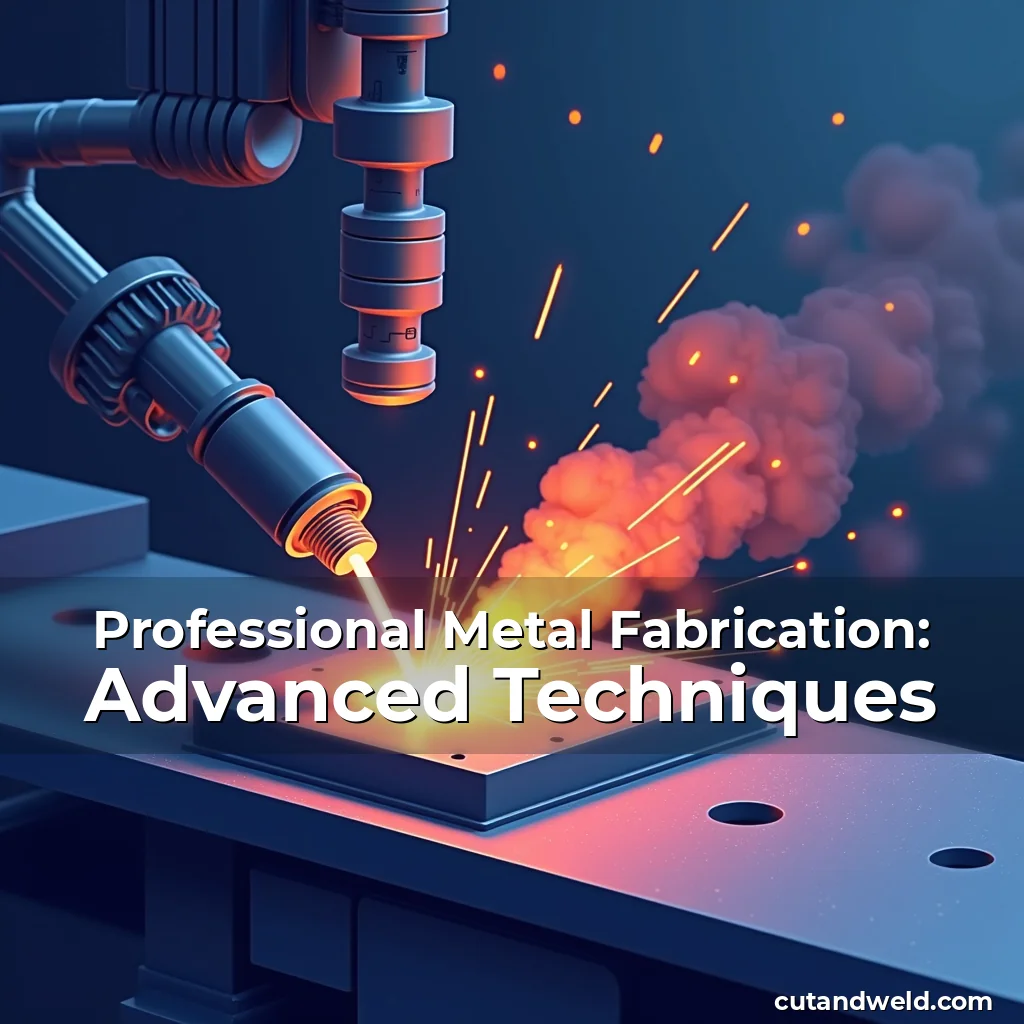
Precision Engineering in Action: Mastering Modern Metal Fabrication Techniques
Metal fabrication is the backbone of modern industrial progress, transforming raw metallic elements into functional structures, machinery, and intricate designs. From towering skyscrapers to delicate surgical instruments, every component relies on the expertise of skilled fabricators who blend artistry with engineering principles.
The field has evolved dramatically over decades, integrating cutting-edge technology with time-honored craftsmanship. Today’s professionals leverage computer numerical control (CNC) machines, laser cutting systems, and robotic automation to achieve unparalleled accuracy while maintaining the flexibility required for custom projects.
Understanding the Fundamentals of Metal Fabrication
At its core, metal fabrication involves shaping, assembling, and modifying metals to meet precise specifications. This process begins with selecting appropriate materials such as carbon steel, stainless steel, aluminum, or specialized alloys depending on the application’s demands.
Fabrication encompasses several key operations including cutting, bending, rolling, punching, and welding. These steps are guided by blueprints or digital models created using computer-aided design (CAD) software, ensuring consistency and minimizing errors during production.
The choice of metal significantly impacts the final product’s durability, weight, cost, and resistance to corrosion or heat. For instance, aluminum offers lightweight strength suitable for aerospace components, whereas stainless steel excels in environments requiring high hygiene standards like healthcare facilities.
Skilled workers must possess a deep understanding of metallurgy, tool operation, and safety procedures. They also rely heavily on mathematical calculations to determine dimensions, tolerances, and load-bearing capacities before initiating any fabrication task.
- Cutting: Involves separating metal sheets or bars using shears, saws, lasers, or plasma torches tailored to the material type and thickness.
- Bending: Utilizes press brakes or rollers to shape flat pieces into desired angles, commonly used in creating frames or structural supports.
- Joining: Welding, brazing, soldering, and riveting are primary methods for connecting parts securely while maintaining integrity and aesthetics.
Advanced Tools and Technologies Shaping Today’s Workshops
Innovation has revolutionized metal fabrication, replacing manual labor with highly efficient automated systems. Computer-controlled machines now perform complex tasks with minimal human intervention, drastically reducing lead times and error rates.
One groundbreaking advancement is the widespread adoption of CNC machining centers capable of executing multi-axis movements simultaneously. These machines can carve intricate shapes within tight dimensional limits, making them indispensable for producing engine parts or consumer electronics enclosures.
The Rise of Laser Cutting Systems
Laser cutting has become synonymous with precision in modern workshops. High-powered beams focused through mirrors
Dye penetrant testing employs fluorescent liquids absorbed into cracks which then glow under blacklight illumination—a simple yet effective way verifying structural continuity prior to deployment.
Automated vision systems equipped with machine learning algorithms now assist inspectors by flagging anomalies faster than human observers ever could. These technologies analyze thousands of images per hour identifying patterns indicative of potential failures long before they occur.
Safety Practices Essential in Every Workshop Environment
No matter how sophisticated the equipment becomes, safety must always remain paramount in metal fabrication settings. Exposure risks range from inhalation hazards due to fumes generated during welding to physical injuries caused by unguarded rotating parts.
Personal protective equipment (PPE) includes items like flame-resistant clothing, face shields with UV protection filters, leather gloves resistant to sparks, and earplugs mitigating noise-induced hearing loss among workers exposed constantly to loud machinery.
Ventilation systems play equally vital roles by removing airborne contaminants from enclosed spaces. Properly functioning exhaust fans coupled with HEPA filtration units help maintain breathable air quality even when performing high-intensity operations indoors.
Fire suppression strategies involve strategically placing Class-D extinguishers near areas where reactive metals might ignite unexpectedly plus regular maintenance checks confirming sprinkler heads function correctly during emergencies.
Custom Solutions Driving Industry Innovation
While standardization simplifies mass production processes, many sectors demand bespoke fabricated goods tailored specifically to their operational needs. Custom fabrication services cater precisely to these niche markets offering solutions otherwise difficult obtain commercially available off-the-shelf options.
Architectural firms frequently commission ornate metalwork incorporating curved surfaces or geometric patterns impossible replicating via traditional manufacturing routes alone. Similarly, biomedical engineers depend upon specialty metal components meeting strict sterilization criteria unattainable using ordinary grade steels.
Prototyping stages often utilize rapid manufacturing techniques like selective laser sintering (SLS) allowing designers test form factors digitally before committing resources toward full-scale implementations. This approach reduces waste associated with trial-and-error development cycles typical early-stage R&D phases.
Moreover, additive manufacturing introduces entirely new possibilities by building up objects layer-by-layer rather than subtractively removing material. Such methodologies open doors towards creating organic shapes previously unimaginable through classic forging approaches limiting creativity severely.
Preparing for Tomorrow: Future Trends in Metal Fabrication
The coming decade promises transformative changes driven largely by artificial intelligence integration alongside sustainable practices becoming increasingly mandatory across global supply chains. Predictive analytics will enable shops anticipating demand fluctuations accurately optimizing inventory management accordingly.
AI-driven robots already demonstrate capabilities surpassing human counterparts regarding repetitive motions involved in stamping dies or assembling modular furniture kits. As neural networks continue improving, expect further delegation of decision-making functions traditionally reserved exclusively for experienced technicians.
Green initiatives compel manufacturers rethinking resource consumption patterns. Recycling scrap metal back into melt furnaces conserves natural reserves while lowering carbon footprints attributable extraction/mining activities upstream contributing significantly climate change issues plaguing planet today.
Additive manufacturing stands poised disrupting conventional casting paradigms altogether providing means produce complex geometries once deemed prohibitively expensive achievable through injection molding alternatives. Such shifts redefine entire value propositions previously anchored upon economies scale achievable only massive volumes production runs.
Conclusion
Metal fabrication continues evolving rapidly propelled innovations spanning both hardware improvements and soft skill acquisitions necessary adapting changing landscapes. Staying abreast latest developments ensures competitiveness amidst growing competition worldwide.
Whether you’re a seasoned professional seeking refine existing competencies or newcomer entering field freshly, dedication mastering fundamentals combined openness embracing emerging technologies guarantees success navigating dynamic world modern-day fabrication industry thrives upon.